



Falls rarely come from one single issue. More often, it is a mix of poor lighting, clutter, rushing, tiredness, dizziness or the wrong footwear. The good news is that many risks can be reduced with simple changes that help someone feel safer without making home feel clinical.
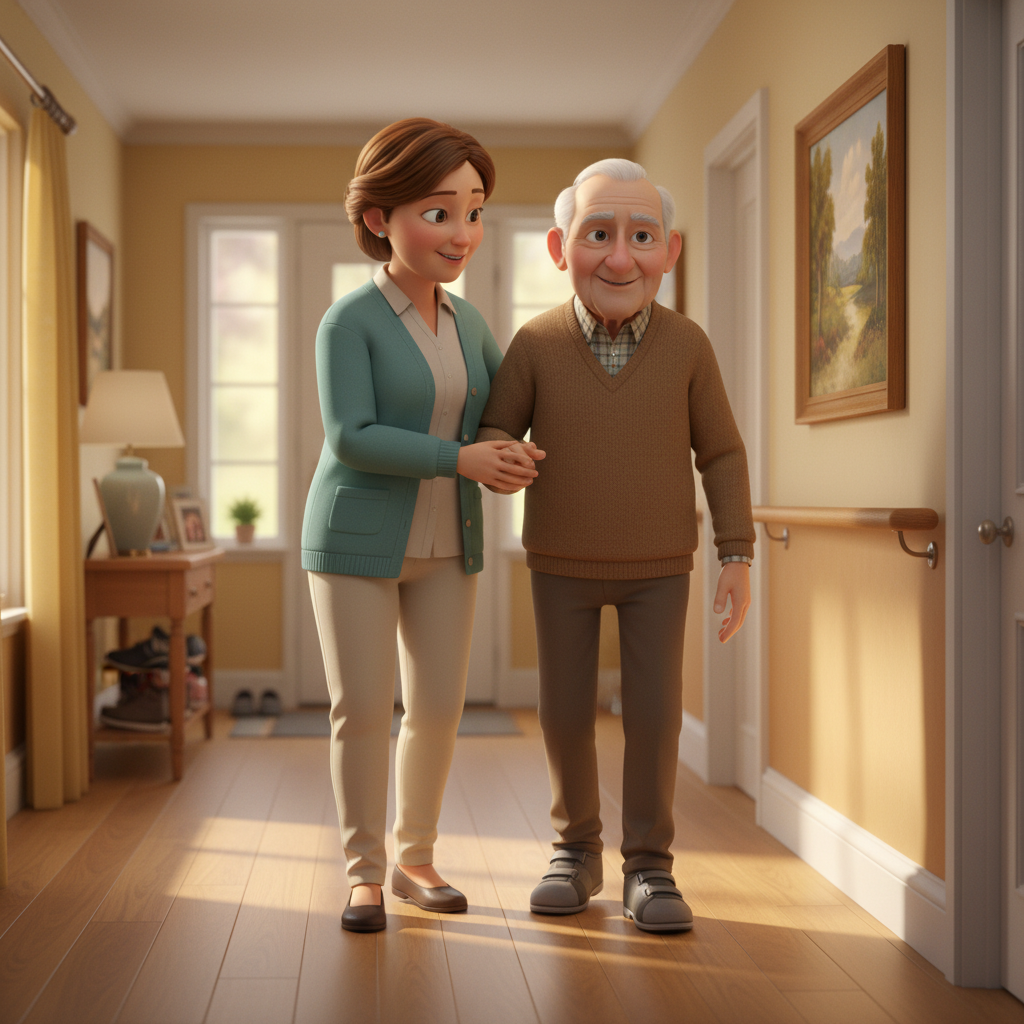
Falls Prevention at Home: 10 Small Changes That Can Make a Big Difference
Falls rarely come from one single issue. More often, it is a mix of poor lighting, clutter, rushing, tiredness, dizziness or the wrong footwear. The good news is that many risks can be reduced with simple changes that help someone feel safer without making home feel clinical. Whether you are a family member looking out for an older relative in Chesterfield, Bolsover, or the surrounding villages, or someone thinking about your own safety at home, these ten practical steps are a good place to start.
1. Take a Fresh Look at the Lighting
Our eyes change as we age, and we need more light to see clearly — particularly at night. Dim hallways, unlit staircases and dark bathrooms are among the most common contributors to falls. Consider replacing low-wattage bulbs with brighter LED alternatives, adding plug-in nightlights along routes from the bedroom to the bathroom, and making sure light switches are easy to find. Motion-activated lights are a particularly good investment, removing the need to fumble for a switch in the dark.

2. Clear the Clutter from Key Routes
It sounds obvious, but it is surprising how quickly things accumulate on floors — bags left by the door, trailing cables, shoes kicked off in the hallway, stacks of newspapers. Walk through the home with fresh eyes and ask: would someone in a hurry, or feeling unsteady, be able to move safely from room to room? Keep main routes clear, tuck cables away behind furniture, and find permanent homes for things that tend to drift onto the floor.
3. Address Rugs and Mats
Loose rugs and bath mats are a classic hazard. A rug that slides underfoot or curls at the edge can catch a toe in an instant. Non-slip backing helps, as do rug grippers on hard floors, but sometimes the safest option is simply to remove the rug altogether — particularly in hallways and bathrooms. Anti-slip mats inside the bath or shower tray are well worth the small investment.
4. Prioritise Sensible Footwear
Slippers with worn-down soles, loose mules or socks on smooth floors are among the most common footwear-related causes of falls. Encourage the people you care for to wear well-fitted slippers or shoes with a firm, non-slip sole — even indoors. If someone is resistant to the idea, it is worth framing it as comfort rather than safety. A good supportive slipper is simply more comfortable than a floppy old pair.
5. Make the Bathroom Safer
The bathroom is where a disproportionate number of falls happen, largely because of wet, slippery surfaces and the physical effort involved in getting in and out of the bath or off the toilet. Grab rails fitted beside the toilet, bath or shower can make an enormous difference, and they do not need to look clinical — many modern designs are sleek and unobtrusive. A raised toilet seat can also help for those with reduced mobility or strength. If you are unsure what aids would be most useful, an occupational therapist assessment can be arranged through the local council.
6. Keep Frequently Used Items Within Easy Reach
Reaching up to high shelves or bending down to low cupboards both increase the risk of losing balance. Think about which items are used every day — mugs, medicines, remote controls — and make sure they are stored at a comfortable height. If someone is regularly climbing on chairs or stretching awkwardly to reach something, it is a sign that the storage arrangement needs to change.
7. Think About Hydration
This one often surprises people. Dehydration can cause dizziness, low blood pressure and confusion — all of which raise the risk of a fall. Many older adults simply do not feel thirsty in the way they used to, and it is easy to go through a day without drinking enough. Keeping a glass of water nearby, having regular drinks with meals and throughout the day, and being mindful of conditions or medications that affect fluid levels can all help. If someone is on medication that affects blood pressure, it is worth asking their GP or pharmacist whether it could be contributing to dizziness on standing.
8. Manage Medicines Carefully
Certain medications — including sleeping tablets, some blood pressure drugs and certain antidepressants — can increase the risk of falls through side effects such as drowsiness, dizziness or a drop in blood pressure when standing up. If someone has recently started a new medication or had their dosage changed and seems more unsteady, it is always worth raising with the GP. A medication review can sometimes reveal that an older prescription is no longer necessary or that the dosage could be adjusted.
9. Build in Regular Movement and Balance Work
It might seem counterintuitive, but gentle, regular physical activity is one of the most effective ways to reduce the risk of falls. Stronger muscles and better balance make a real difference. Chair-based exercises, short walks, and programmes such as Otago or Falls Management Exercise (FaME) — which are available in many parts of Derbyshire and Nottinghamshire including the Mansfield and Worksop areas — can all help. Your GP surgery or local leisure centre can often point you towards what is available locally.
10. Watch for Signs of Tiredness and Rushing
Many falls happen when someone is tired, distracted or moving quickly. Fatigue affects balance, reaction times and concentration. If someone is getting up quickly from a chair, rushing to answer the door or phone, or pushing through tiredness rather than resting, these are moments of increased risk. Encourage taking a moment to stand and steady before moving, and where possible, to rest when tired rather than pushing on. It can also help to keep a phone or call device within easy reach so there is never a need to rush across the room to answer it.
When More Support Would Help
Sometimes, falls risk is part of a bigger picture — someone who has become less confident about getting around at home, who is losing strength or balance, or who is finding daily tasks more difficult than they used to. In situations like these, having regular support at home can make a real difference — not just in practical terms, but for confidence and peace of mind.
At The Right Home Care Team, we support older adults and their families across North East Derbyshire — including Chesterfield, Clay Cross, Dronfield, Bolsover and the surrounding areas — to live safely and comfortably at home. Our care workers build consistent, familiar routines that can help reduce the risk of falls, and they get to know the people they support well enough to notice when something does not seem quite right.
If you are thinking about whether additional support might be helpful for yourself or someone you care about, we are always happy to have an informal conversation. There is no pressure and no obligation — just a chance to talk through what might make home feel a little safer.


